
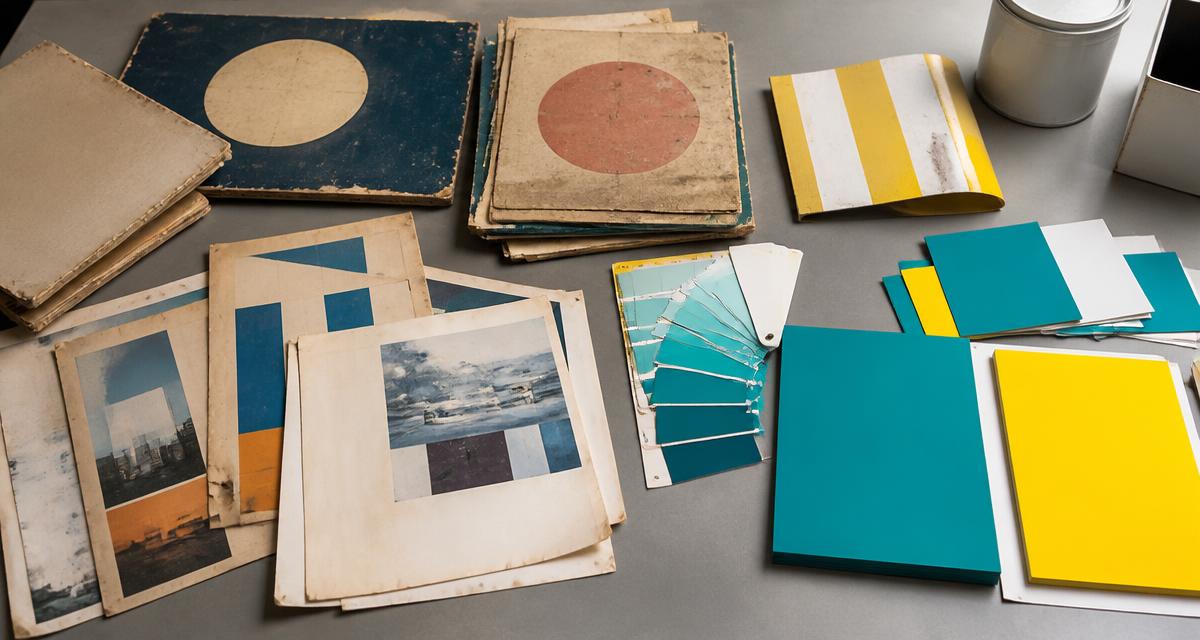
Businesses rarely wake up one day and decide to rebrand. It happens gradually. A logo that felt fine at launch starts looking dated next to competitors. A tagline no longer describes what you actually sell. Sales materials get patched together instead of redesigned. None of it feels urgent on its own, but together, it adds up to a business that's outgrown its branding.
Here are ten concrete signs worth taking seriously, followed by a way to tell whether the fix is a refresh or a full rebrand.
1. Your team describes the company differently
Ask five people at your company to describe what makes it different in one sentence. If you get five different answers, that's not a branding problem you can design your way out of, it's a positioning problem that brand strategy needs to solve first.
2. Your logo doesn't hold up at small sizes or on modern platforms
A mark that was fine on a printed sign in 2012 often falls apart as a social profile photo, a favicon, or an app icon. If your logo turns into an unreadable smudge anywhere it gets small, that's a functional problem, not just an aesthetic one.
3. Every piece of marketing looks like a different company made it
Inconsistent fonts, colors, and layouts across your website, signage, and print materials signal there's no documented system, or that the one you have isn't being followed. That's the core problem a real brand identity system is built to fix.
4. The business has meaningfully changed since the brand was built
New services, a new customer base, a shift from budget to premium positioning, or expansion into new markets can all outdate an identity that was accurate when it launched. The Mountain View Regional Hospital rebrand is a good example of an identity rebuilt to match where the organization actually was, not where it used to be.
5. You're competing on price instead of positioning
When a brand doesn't clearly communicate value, price becomes the only lever customers can compare on. That's often a strategy gap showing up as a sales problem.
6. New hires or designers can't figure out how to use the brand
If every new hire or freelancer has to ask what fonts or colors to use, or ends up guessing, there's no usable system in place. That guesswork costs real time and produces inconsistent results.
7. Your website looks less established than the business actually is
A dated or inconsistent website design undercuts credibility for a business that's grown well past what the site suggests. If your operations have matured but your site hasn't, that mismatch is visible to every prospective customer who visits.
8. You've expanded locations, divisions, or product lines under one messy visual system
A business that grows from one location or offering into several often ends up with logos and materials that evolved piecemeal rather than by design. The TopDog Fireworks rebrand addressed exactly this, unifying multiple divisions and 14 retail locations under one coherent system.
9. You're embarrassed to hand someone your business card or brochure
This one is subjective, but it's rarely wrong. If you hesitate before handing over printed materials, or apologize for how dated they look, that instinct is data worth listening to.
10. A competitor with a weaker product is winning on brand perception
If you know your product or service is stronger but customers keep choosing a competitor that simply presents itself better, that is worth treating as a brand perception problem rather than a coincidence.
Recognize a few of these? Let's talk through what level of change actually makes sense.
Book a free 30-minute callDiagnostic checklist
Run through this before deciding anything
- Can your whole team describe your differentiation the same way?
- Does your logo hold up at small sizes and on current platforms?
- Do your website, signage, and print materials look like the same company?
- Has the business changed meaningfully since the brand was built?
- Can a new hire or freelancer use your brand correctly without asking questions?
- Does your site or storefront reflect the caliber of work you actually do?
- Are you consistently losing deals to a weaker competitor with stronger perception?
Refresh or rebrand: how to tell the difference
This distinction matters because the two are very different investments. Our earlier piece on when to rebrand and when to refresh covers it in depth, but the short version: refresh when the strategy is still sound and only the visual system has aged, rebrand when the business itself has changed or the current identity is actively working against you.
The honest test is simple. If you rewrote your positioning today, would the current identity still fit? If yes, refresh. If no, rebrand. Either way, the decision starts with brand strategy, not with picking new colors.
Where to start
If several of the ten signs above sound familiar, the next step isn't necessarily a full rebrand engagement, it's an honest conversation about scope. Our small business branding guide is a good starting point if you're trying to think through budget and scope before committing to anything.
Talk through what's actually going on with your brand before you commit to a fix.
Schedule a discovery call